
Carpet Stretching in Kingaroy
Tough stains solved: expert cleaning treatments with advanced equipment, pet-safe products & results that last.
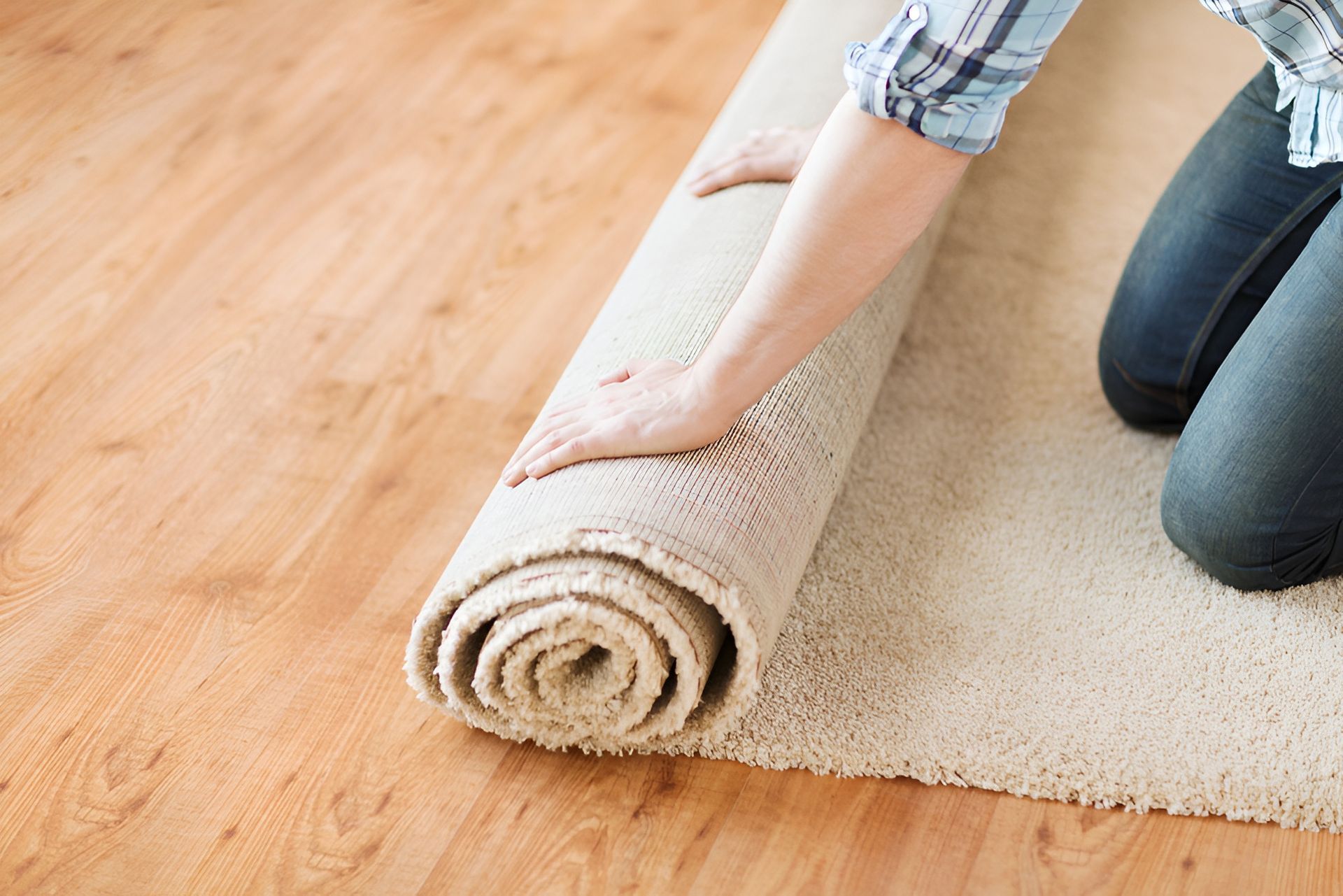
Safer, Smoother Carpets
Ripples, waves and loose edges don’t just look untidy—they’re a tripping hazard and they wear carpet out faster. Kingaroy Carpet Cleaners provides expert carpet stretching in Kingaroy and surrounding areas, using professional tools to re-tension rooms properly so fibres lie flat and last longer.
It’s a straightforward fix that often restores a “just-laid” look without the cost of replacement.
- Power-stretching across the room for long-term hold
- Edge re-tuck & seam tidy for a clean finish
We assess why the carpet loosened (age, humidity, traffic, installation) and plan the stretch to suit your layout—hallways, doorways and open areas included. Furniture can be shifted carefully as needed, gripper engagement is checked, and edges are trimmed and re-tucked for crisp lines.
Most rooms are usable the same day. Want safer, smoother floors again? Call 0460 356 038 and we’ll book a time that works for you.
Tight Seams, Clean Lines
A lasting stretch needs more than a knee kicker. We use a power stretcher to tension the carpet from wall to wall, re-set it onto gripper, and address problem spots like tenting at seams, ripples across traffic lanes and loosening at thresholds.
Where required, we re-bond lifted seams, tidy doorway transitions and trim excess to stop bunching. Stairs and landings get special attention so treads sit neat and secure.
If you’re noticing waves underfoot or catching toes at thresholds, a proper re-stretch can make a big difference. Get in touch and we’ll talk through rooms, layout and the best plan for your home.
Power Stretcher
Threshold Re-Tuck
Seam Re-Bonding
Mould Treatment
Mould treatment starts with finding the moisture source—leaks, condensation or poor airflow—so growth doesn’t return. Affected areas are contained to limit spread, then surfaces are cleaned, HEPA-vacuumed and treated with appropriate antimicrobial solutions.
Porous items with deep colonisation may need removal, while sound materials are dried thoroughly to safe moisture levels. Stain shadows can linger even after successful treatment, but odours typically improve as humidity drops.
To help prevent regrowth, ventilate bathrooms and laundries, fix leaks quickly, run exhaust fans longer after showers, and dry spills within 24 hours. If you can smell mustiness, act early before it spreads.
HEPA Containment
Moisture Source Diagnostics
Post-Remediation Guidance
Get A Quote
Describe the problem and how many rooms are affected.
We’ll reply with practical options and an estimate for the work.
Contact Us
Thank you for contacting Kingaroy Carpet Cleaners.
We will get back to you as soon as possible.
Oops, there was an error sending your message.
Please try again later.
FAQ
What causes carpet ripples and waves, and can stretching fix them long term?
Common triggers include humidity changes, heavy traffic, dragging furniture, aging underlay, or carpets installed without adequate tension. Over time, backing relaxes and creates visible ridges that trip feet and wear fibres. Proper power-stretching resets tension wall to wall and re-seats carpet onto gripper. When the backing is still sound, results are typically long lasting, especially with stable indoor humidity and suitable underlay.
Is it safe to stay in the home during mould treatment?
Safety depends on the size of the affected area, ventilation, and whether containment is used. Small, isolated spots can often be treated with minimal disruption, but larger jobs typically require plastic barriers and negative air/HEPA filtration to prevent spores spreading. Sensitive individuals—infants, elderly, immunocompromised, or those with asthma—may benefit from avoiding the work zone until clearance. Good airflow and thorough cleanup (HEPA vacuuming and damp wiping) reduce residual exposure.
Which materials can be mould cleaned, and what usually needs replacing?
Non-porous surfaces like tiles, glass, and sealed metals can usually be cleaned and disinfected effectively. Semi-porous materials (finished timber, painted plaster) often respond to careful cleaning if growth is superficial. Porous items—plasterboard, carpet underlay, MDF, cardboard—tend to hold spores and hyphae; when colonisation is widespread or water damage is significant, replacement is often the most reliable fix. Any removal should be done under containment, with the moisture source addressed to prevent regrowth.


